
- 10.00 AM - 6.00 PM
- +977-9801359932
🏠 House Construction in Nepal
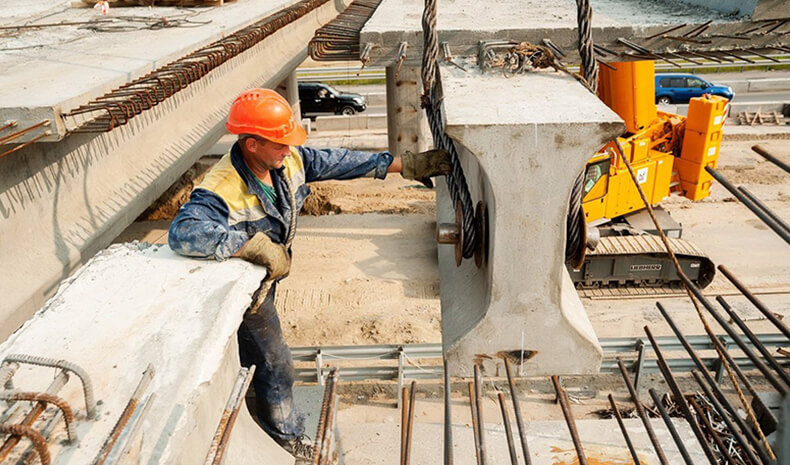
🏠 House Construction in Nepal
🟢 Who is Building Houses in Nepal Today?
House construction in Nepal is being driven by: Young families building their first home Migrant workers returning from abroad with savings Real estate investors building for rental or resale Joint families upgrading from old-style homes to modern RCC structures Retired citizens investing in peaceful, well-planned homes outside crowded cities The dream of owning a home remains a top priority for most Nepali families, making house construction one of the fastest-growing sectors nationwide.
🔵 What Does House Construction Involve in Nepal?
House construction is more than just laying bricks — it involves: Site planning and soil testing Design and layout preparation (architectural + structural) BOQ (Bill of Quantity) creation for cost estimation Government map approval and municipal procedures Step-by-step construction from foundation to finishing Plumbing, electrical, painting, tiling, and furnishing Modern construction methods also include Vastu principles, earthquake resistance, and budget optimization.
🟣 When Should You Start Building a House in Nepal?
The ideal time for house construction is: Post-monsoon season (September to April) — when weather is dry After receiving approved designs and cost estimates (BOQ) Once your land is cleared, leveled, and technically measured When you have financing ready — either through savings or home loan approval Rushing without proper planning leads to budget overruns and long-term regrets.
🟠 Where is House Construction Booming in Nepal?
While Kathmandu Valley remains the most active area, construction is rapidly increasing in: Butwal, Chitwan, Pokhara – due to urban expansion and land availability Birtamod, Itahari, Dharan – popular among eastern migrants and returnees Nepalgunj, Dhangadi – where house plots are still affordable Suburbs and rural municipalities – where families want peaceful, vastu-friendly homes With expanding roads and digital services, people are now building outside the main cities as well.
🔴 Why is Professional House Construction Important in Nepal?
Because many houses built by local contractors: Lack proper engineering supervision Are not earthquake-resistant Have hidden costs due to per-square-foot pricing Are built without BOQ or transparency Often skip essential steps like curing, waterproofing, or load calculation Professional construction ensures: Safety, durability, and peace of mind No hidden charges with BOQ-based budgeting Vastu-compliant and legally approved designs Stronger resale and rental value in the future
🟡 How is House Construction Done Professionally in Nepal?
The step-by-step process includes: Site visit and measurement 2D & 3D design preparation BOQ generation with item-wise costing Map approval from local government office Foundation work with supervision Structure work (RCC, slab, beam) Brickwork, plastering, wiring, and plumbing Interior and exterior finishing (tiles, paint, kitchen, elevation) Final handover with quality check
Many companies like Mata Shree Design & Construction now offer complete turnkey solutions where clients supply materials, and the company manages labor, design, and technical work — saving 20–25% cost and ensuring full transparency.